History
Intent
At Parsloes Primary School we believe that a high-quality history education will help pupils gain a coherent knowledge and understanding of Britain’s past and that of the wider world. The History curriculum makes use of the resources within the immediate and wider local area enabling children to develop a deep understanding of the rich history of their locality. Empowering experiences are at the heart of the learning, inspiring pupils’ curiosity to know more about the past. Teaching should equip pupils to ask perceptive questions using subject-specific language, think critically, weigh evidence, sift arguments, and develop perspective and judgement. It should help pupils to understand the complexity of people’s lives, the process of change, the diversity of societies and relationships between different groups, as well as their own identity and the challenges of their time.
History at Parsloes Primary School
Implementation
At Parsloes Primary School, the key knowledge and skills that children acquire and develop throughout each historical focus have been mapped to ensure progression between year groups throughout the school. Our history curriculum is built around the theme of religion.
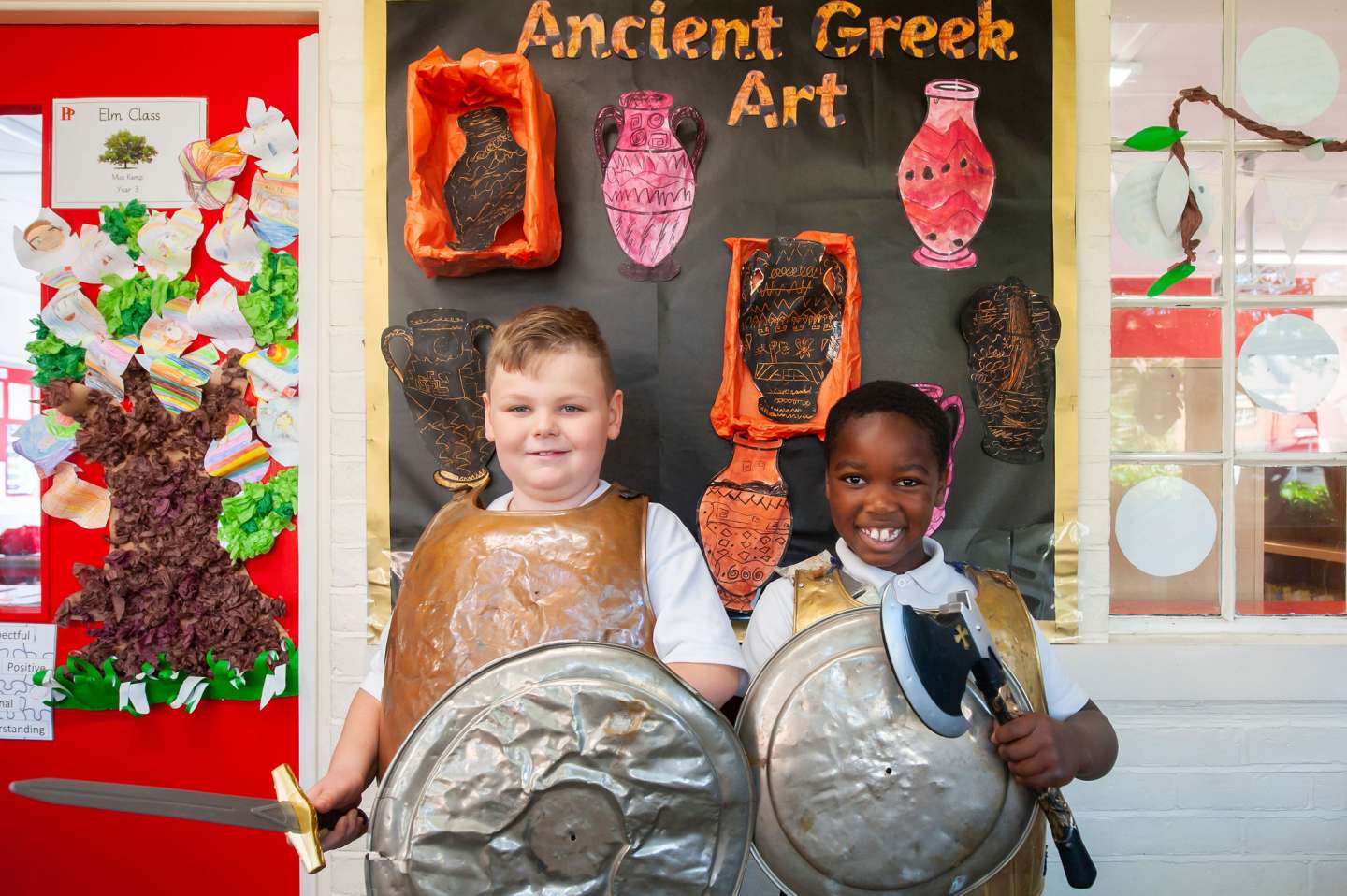
At the beginning of each new history unit, teachers reference the chronology of previous units (including those from previous years) and prior knowledge and understanding is reviewed by the children and rigorously checked and consolidated by the teacher. By the end of Year 6, children will have a chronological understanding of British history from the Stone Age to the WWI. They are able to draw comparisons and make connections between different time periods and their own lives. Interlinked with this are studies of world history, such as the ancient civilisations of Greece and the Egyptians.
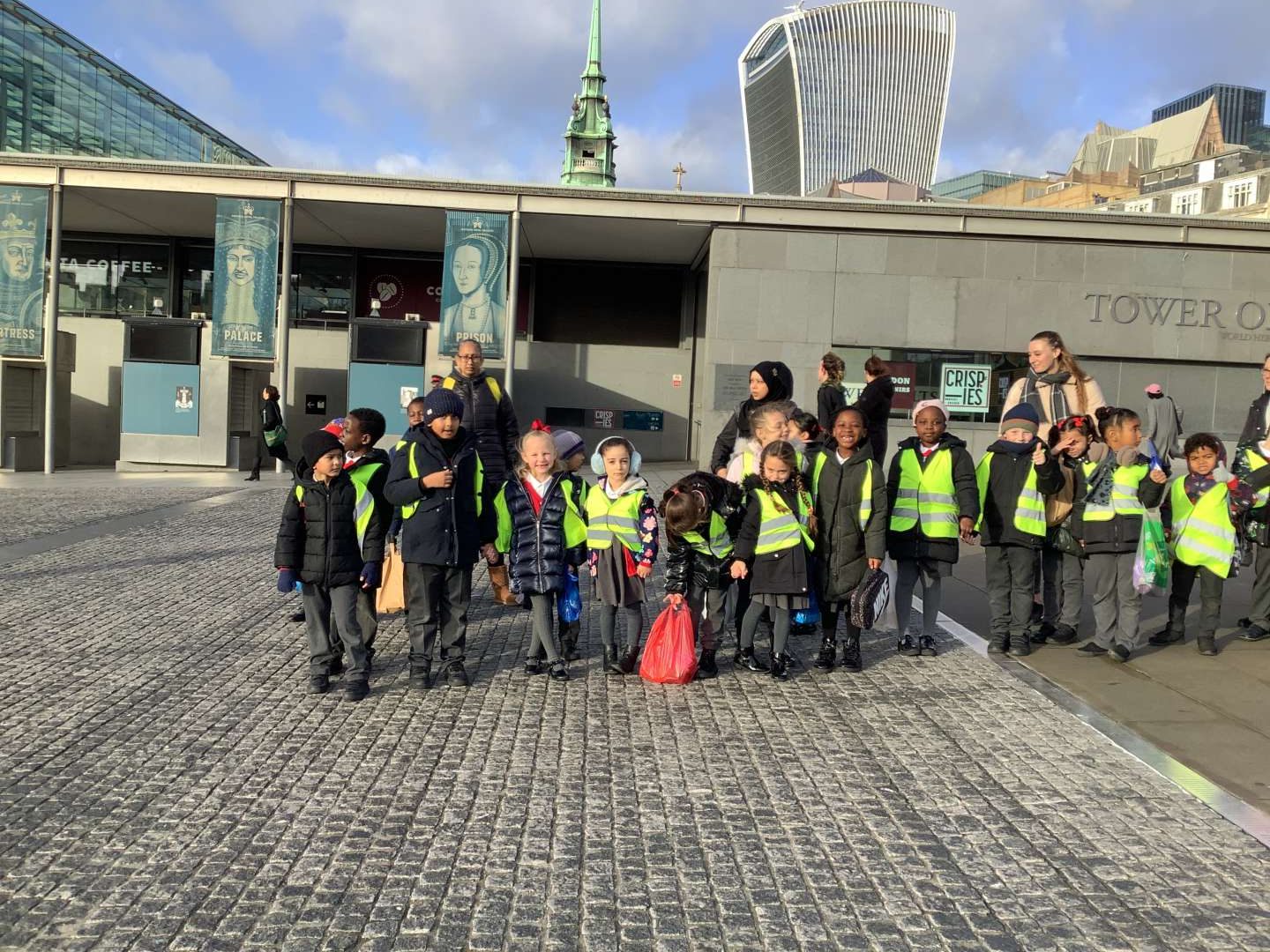
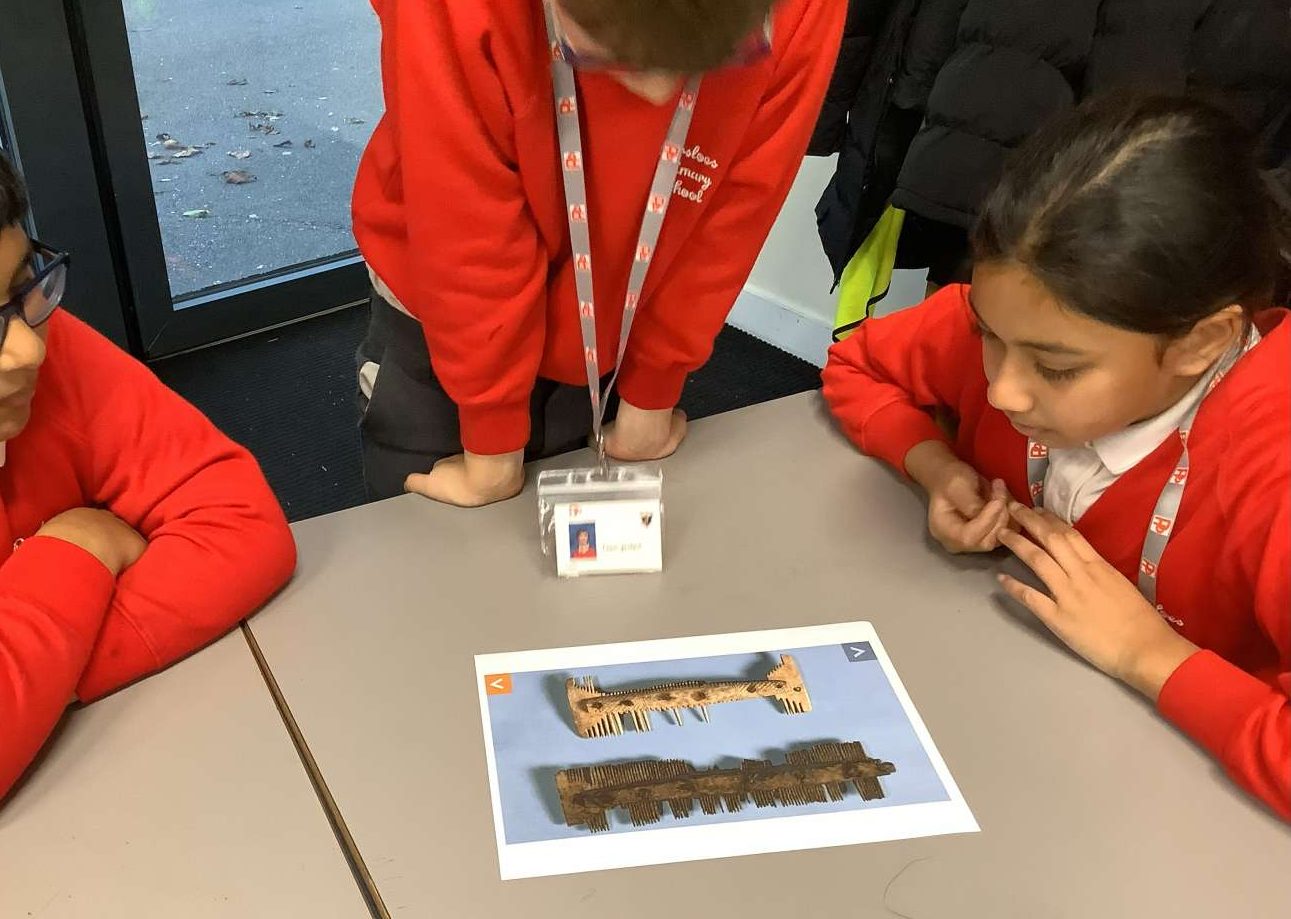
The National Curriculum provides the basis upon which History is taught and teachers have access to further guidance from the History Association, of which the school is a member. Historical investigation opportunities are planned into the curriculum, including visits to places of historical interest, within the local area and use of quality artefacts, maps and photographs, e.g. Eastbury Manor House for the Tudors in Year 5.
The History curriculum is designed to ensure appropriate diversity in the significant figures that children learn about. Teachers cater for the varying needs of all learners, differentiating activities where necessary and as appropriate, and ensuring an appropriate level of challenge. Outcomes of work are regularly monitored to ensure that they reflect a sound understanding of the key identified knowledge.
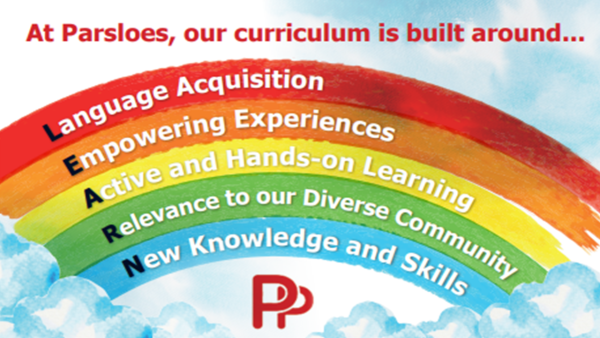
Language Acquisition – Historical vocabulary is carefully planned and taught in a progressive manner across the school, including the language of historical enquiry. Children learn to think and talk like historians through the use of historical language.
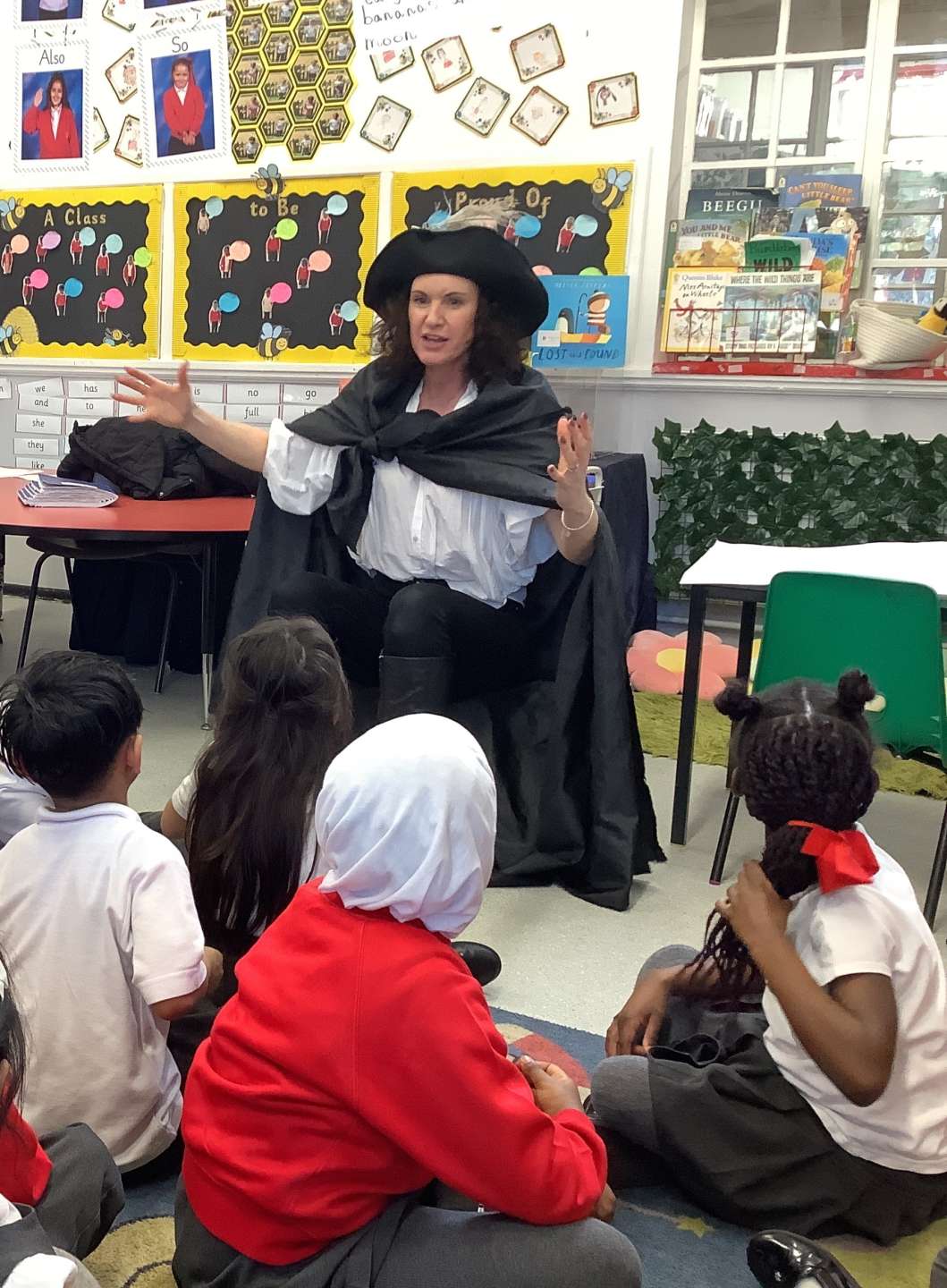
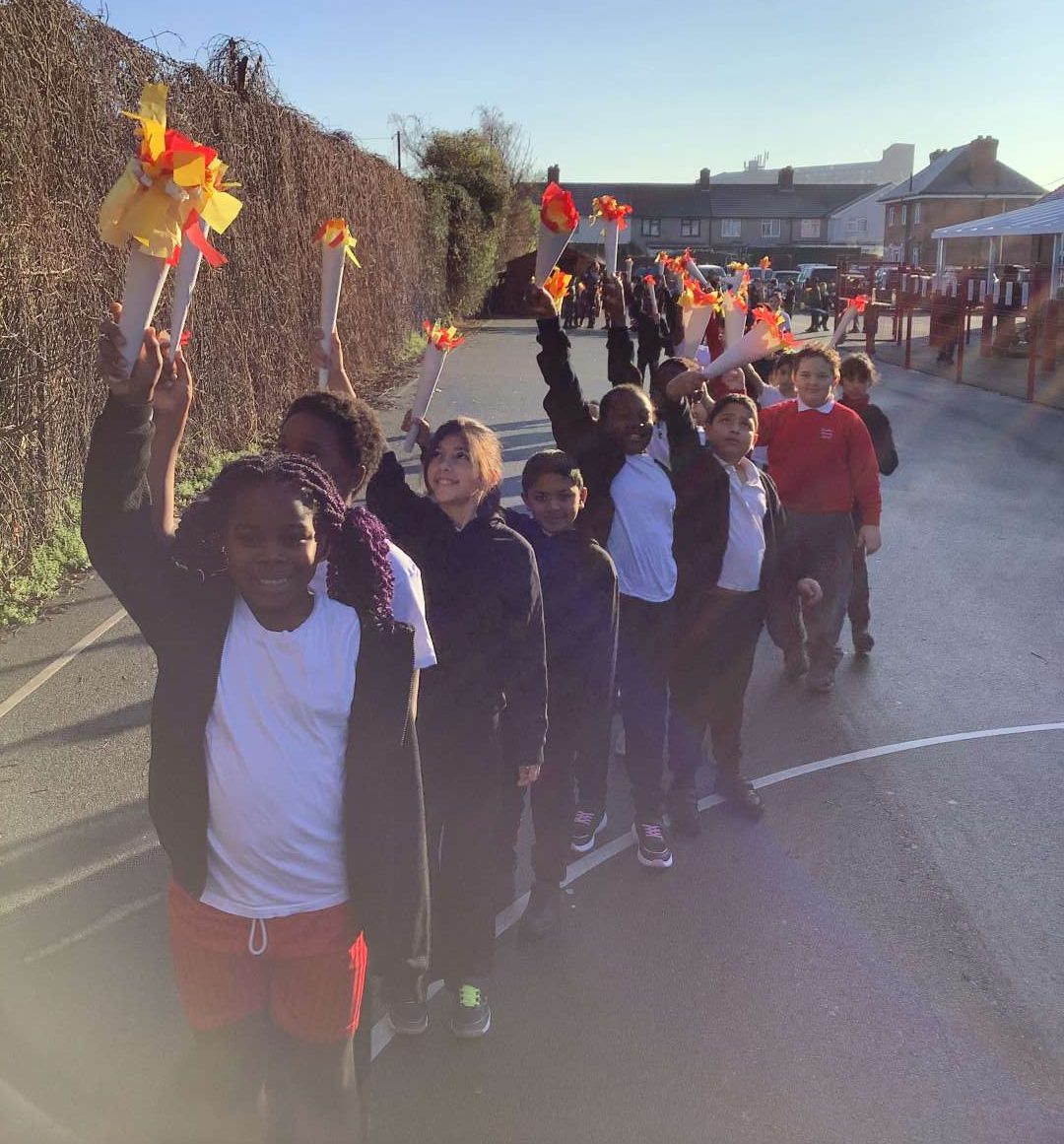
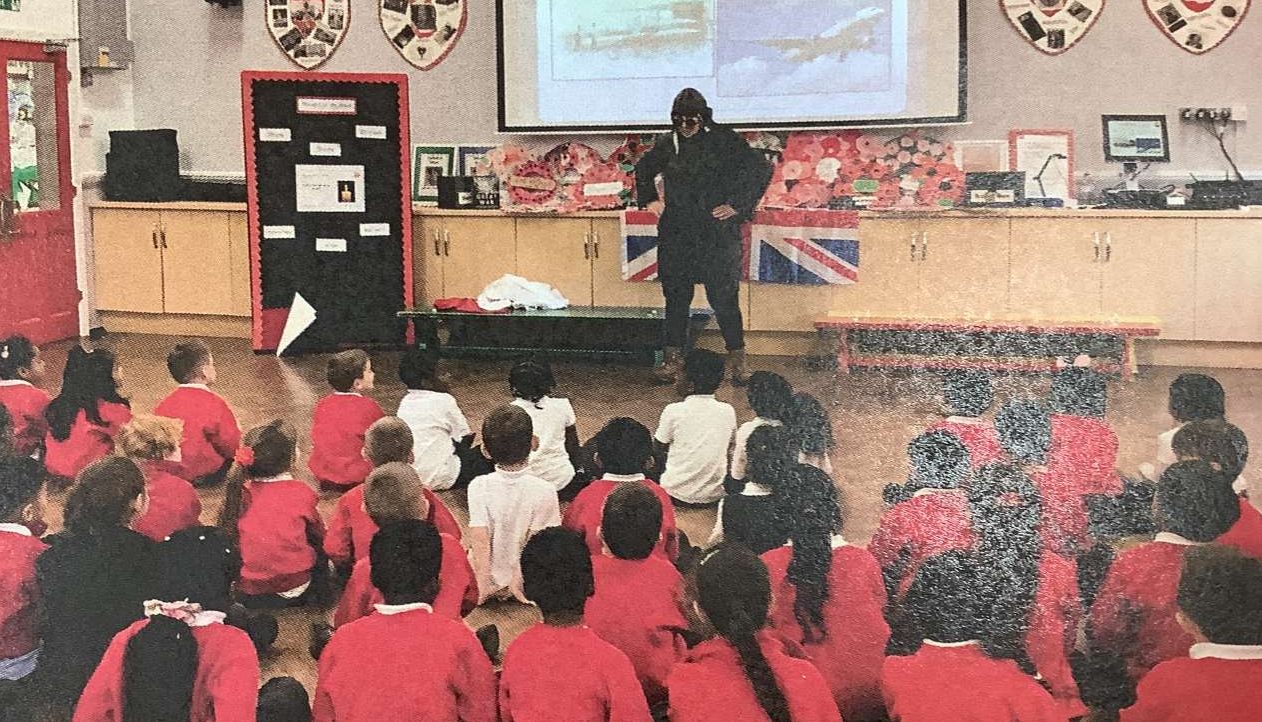
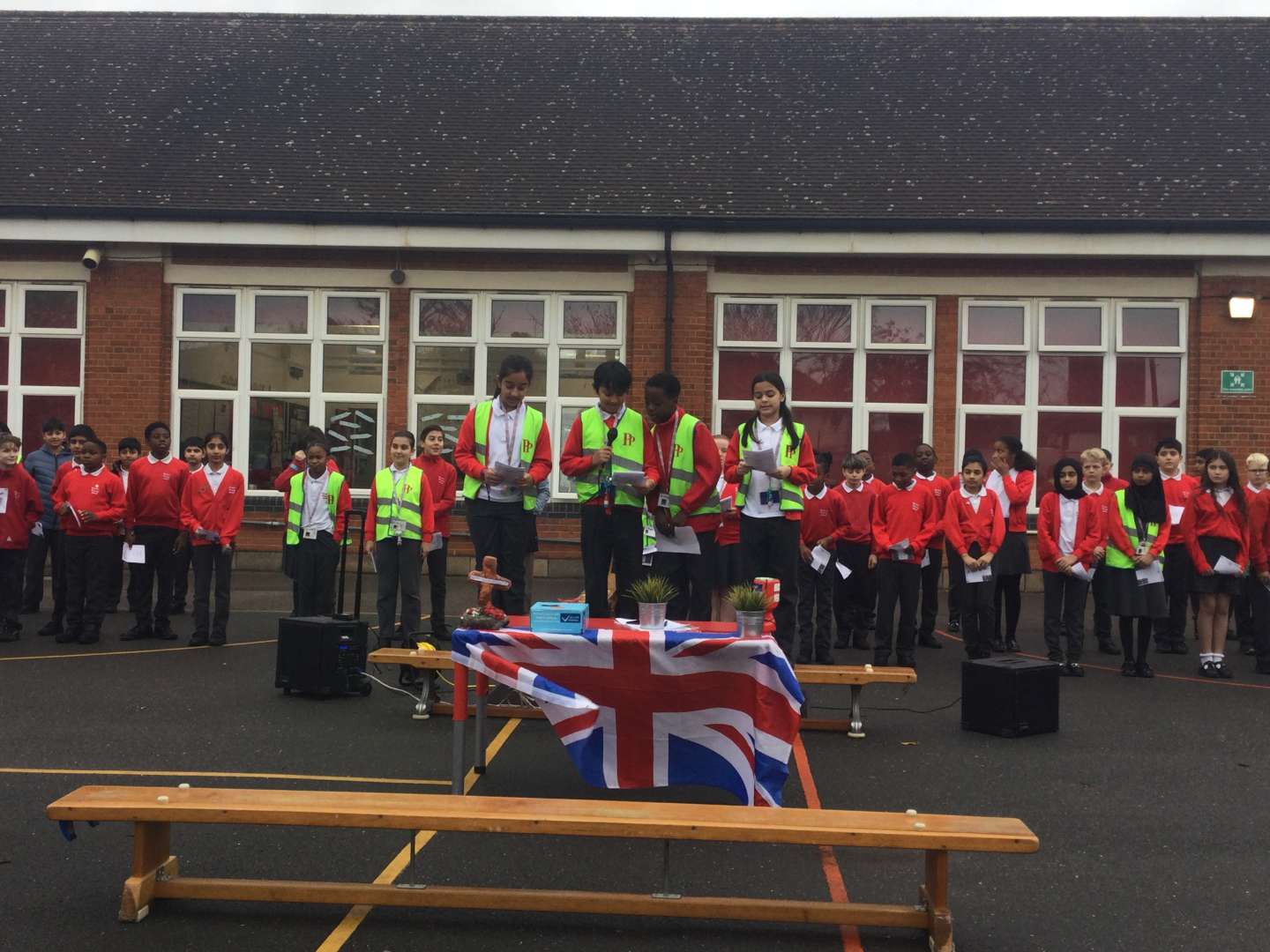
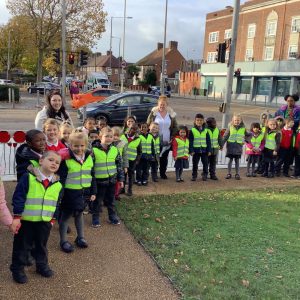
Empowering Experiences – Our history curriculum is enriched by a variety of different sources from outside school. Some units are based on the history of the local area, enabling children to gain first-hand experience. Children also access trips and workshops to enhance their historical understanding.
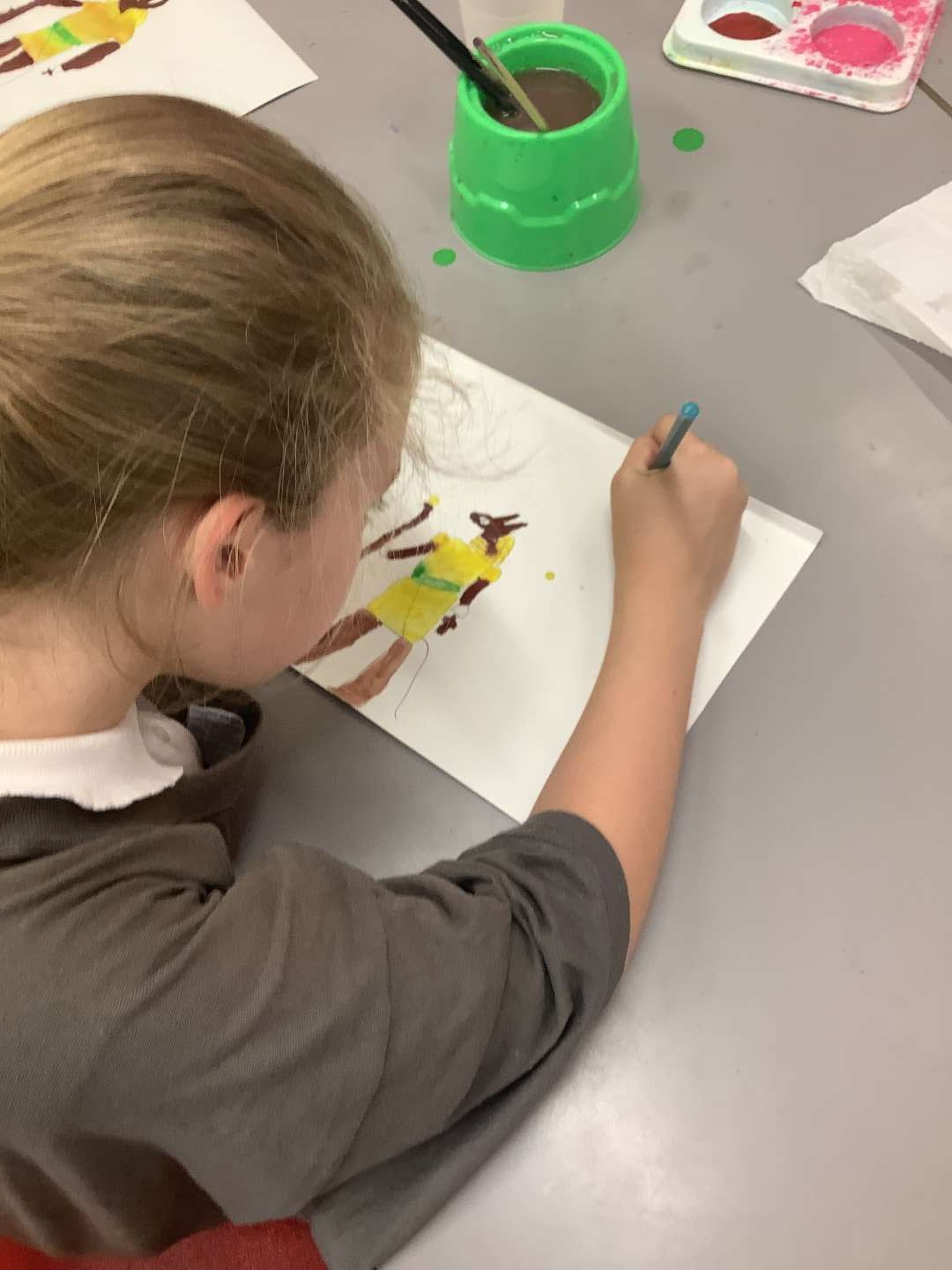
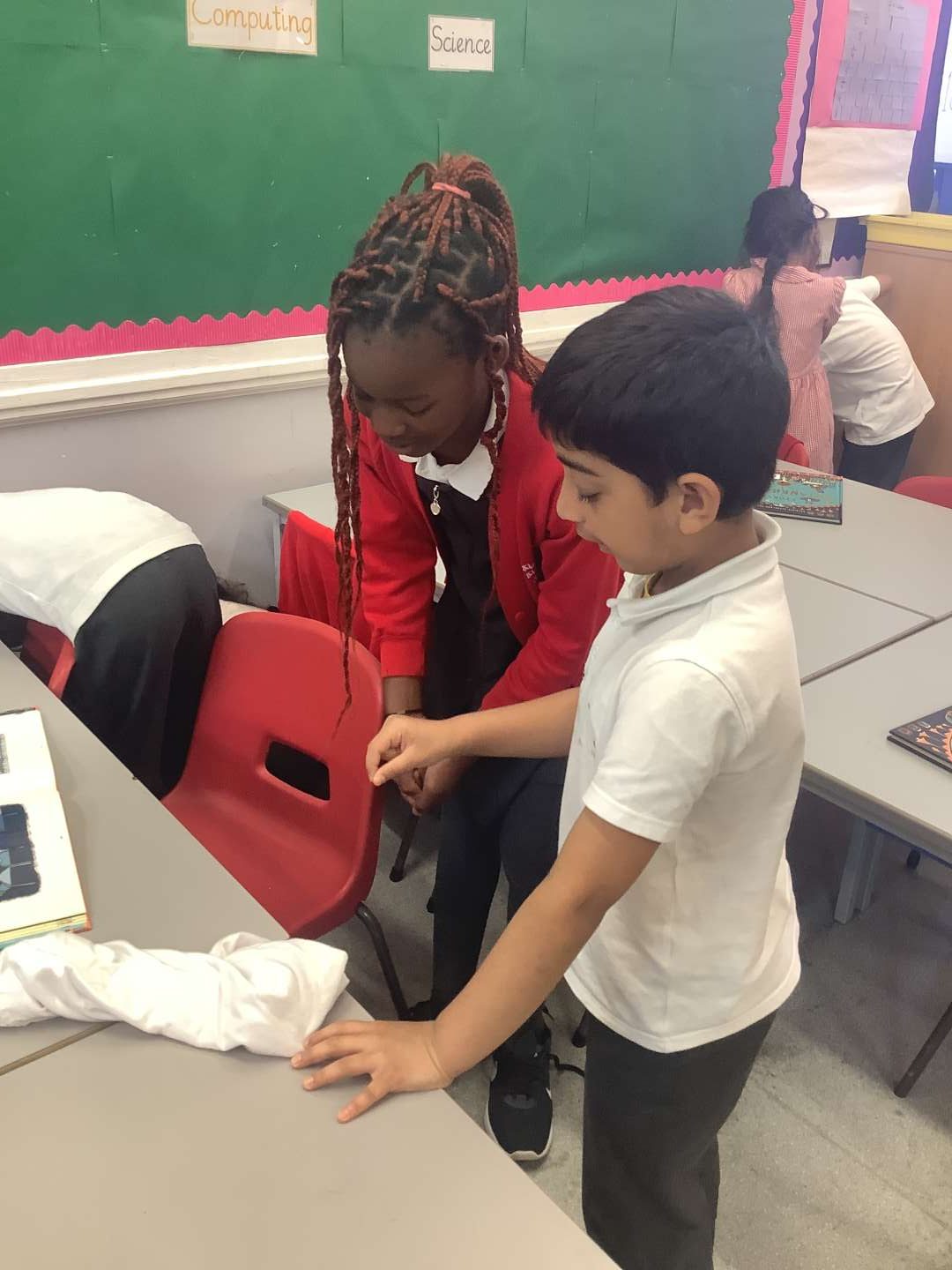
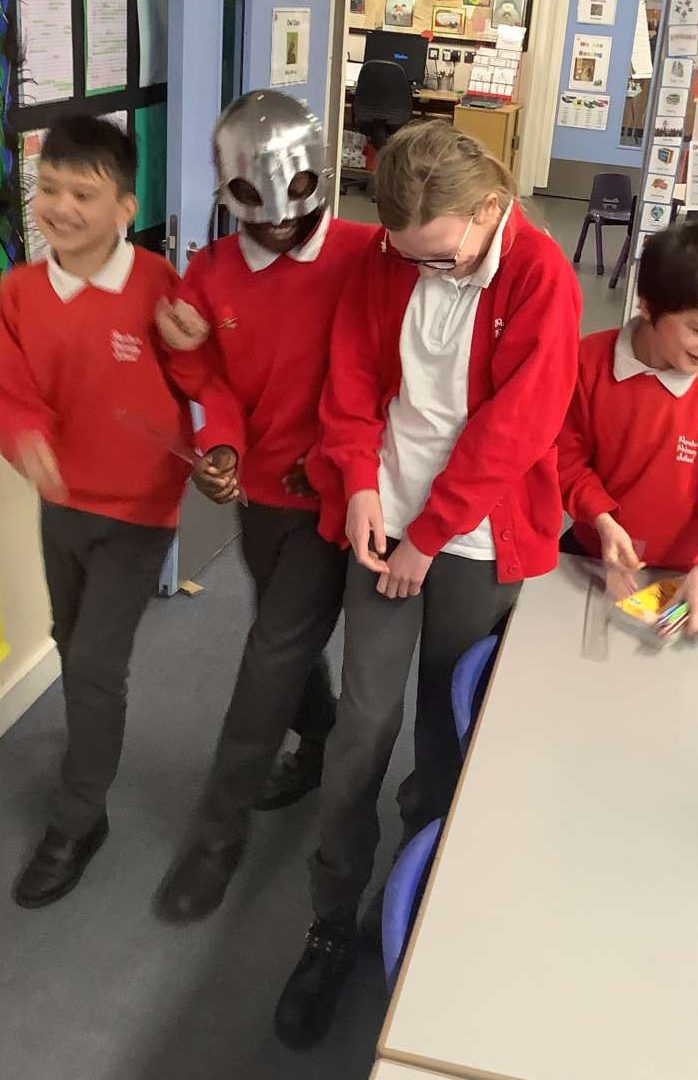
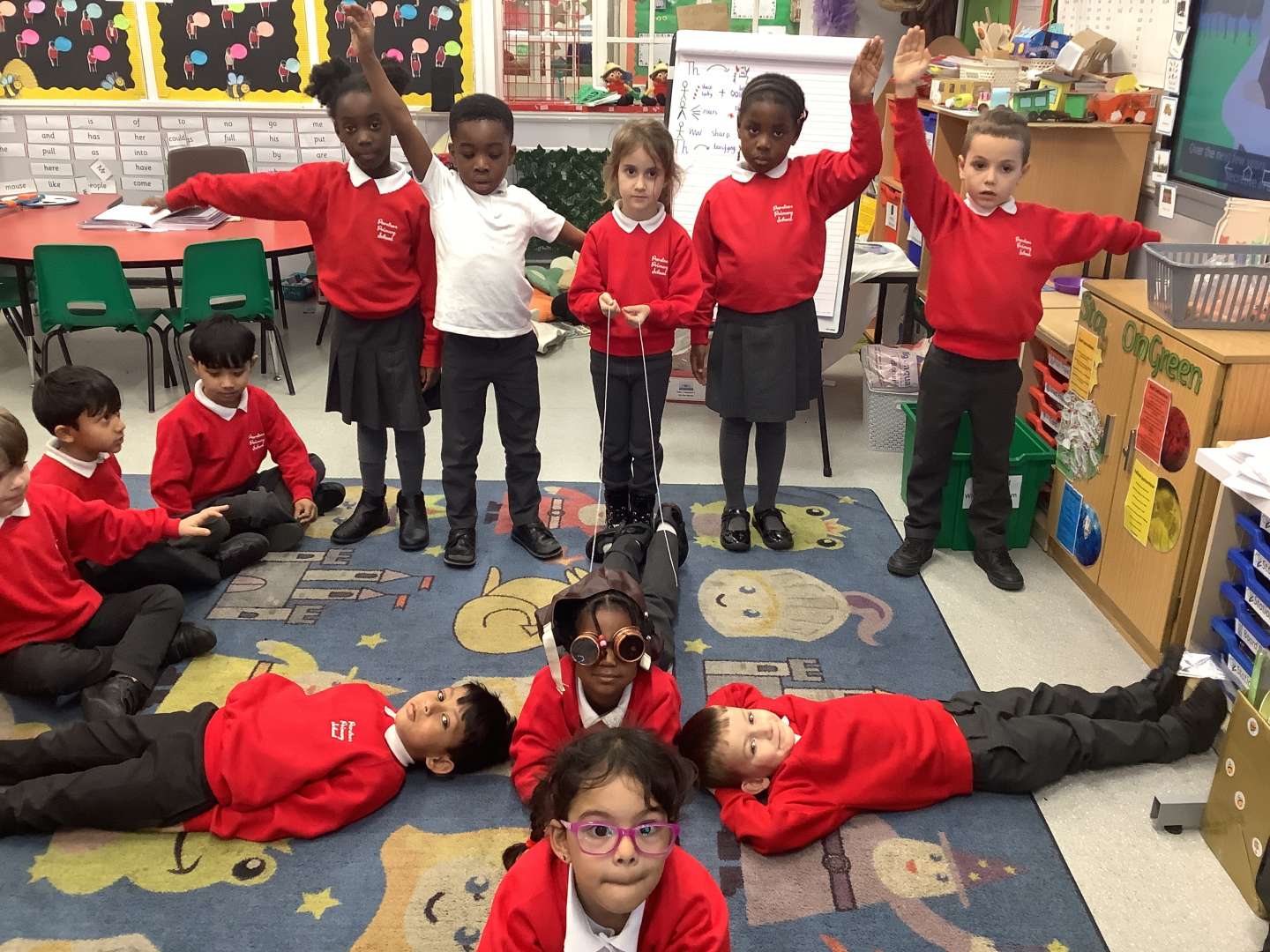
Active and Hands-on Learning – Children have well planned opportunities to infer, investigate and evidence using a range of historical sources. All units of work are fully resourced with the historical artefacts necessary for hands on learning.
Relevance to our Diverse Community – Through the units of work and cross-curricular links with reading, children are exposed to significant individuals from a range of backgrounds and cultures. Diversity is woven through the history curriculum.
New Knowledge and Skills – The history curriculum is sequenced progressively to ensure prior learning is referred to and built upon. Historical investigative skills and chronology skills are embedded throughout and developed as children progress through the school.
Curriculum Planning
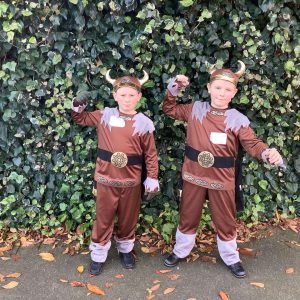
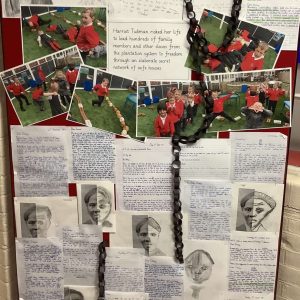
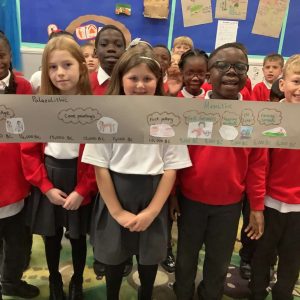
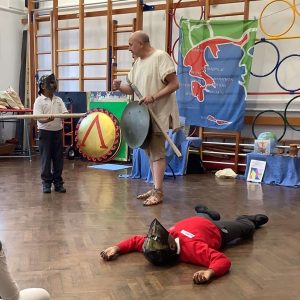
History at Parsloes – our Historians at Work
Historical Knowledge
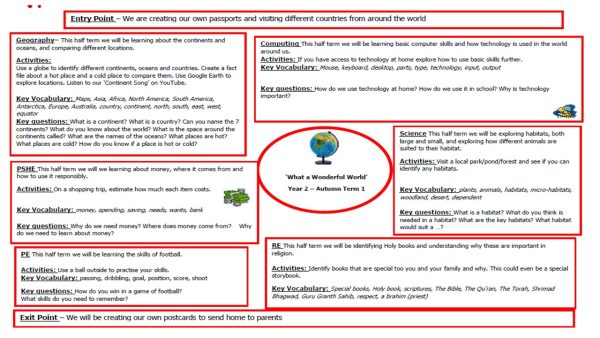
Our curriculum overviews detail the key historical content required for each unit of work. These are shared with children and families at the beginning of each half term to help enhance learning.